
Walk the Spectrum: Discover Cities by Color and Time
How the Palette Guides Your Steps

Designing Your First Chromatic Walk
The Science and Emotion of Architectural Color
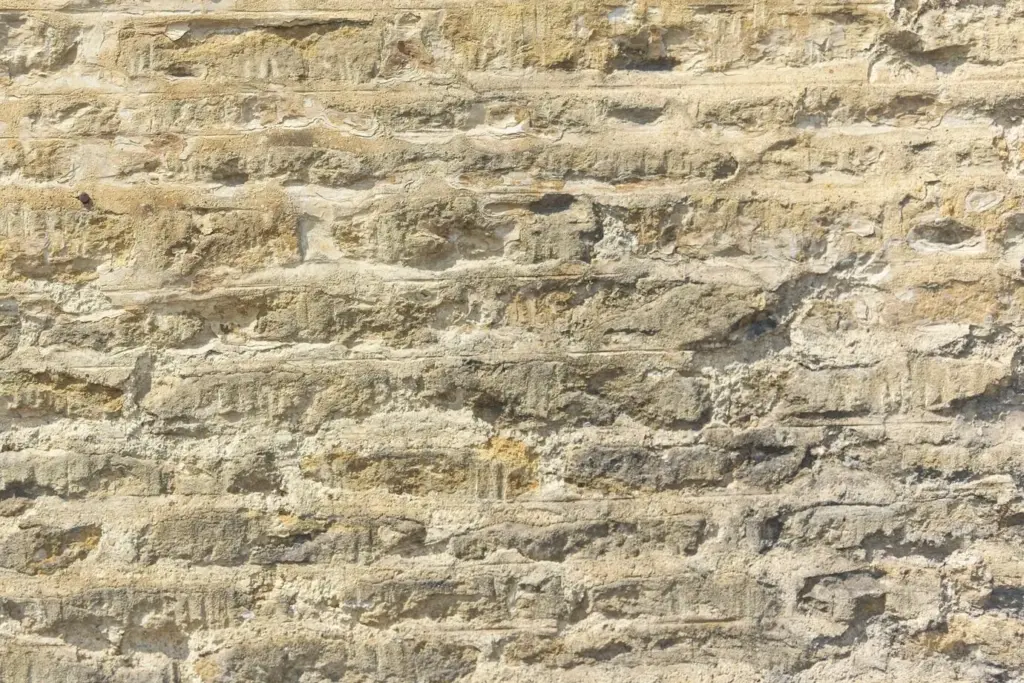
Pigments, Patinas, and Weather
Cultural Meanings of Hue Across Regions
When Restoration Alters the Spectrum
Stories from the Spectrum: Traveler Anecdotes
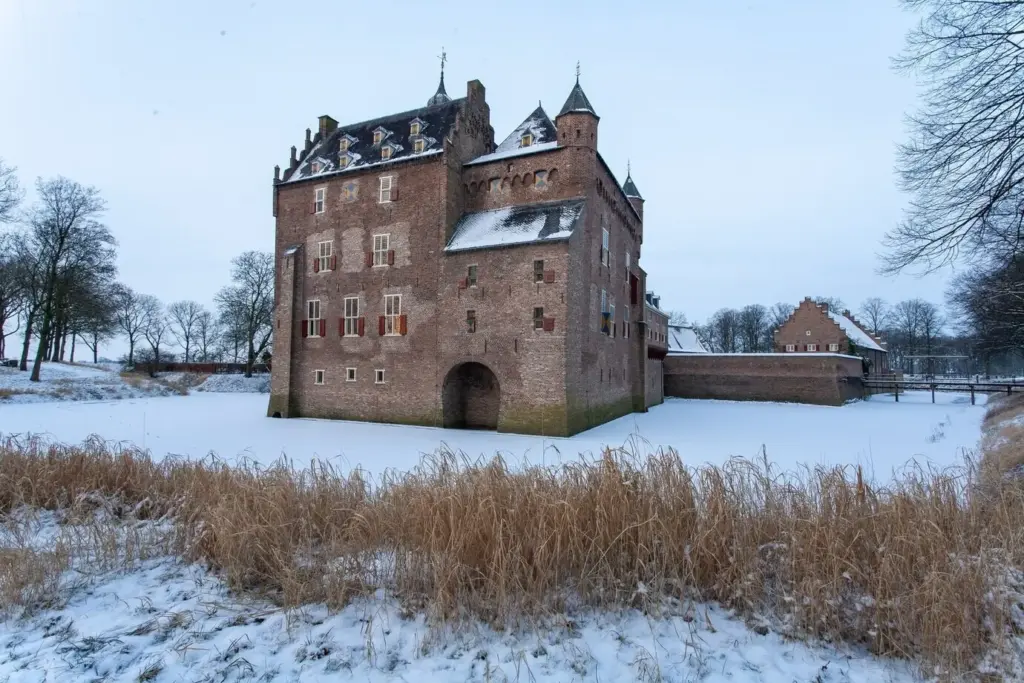
A Child Counts Terracotta Cornices
An Architect Rediscovers a Modernist Block
A Grandmother Follows a Route to Old Memories

Building a Legend That Makes Sense
Using Phones Without Losing the City
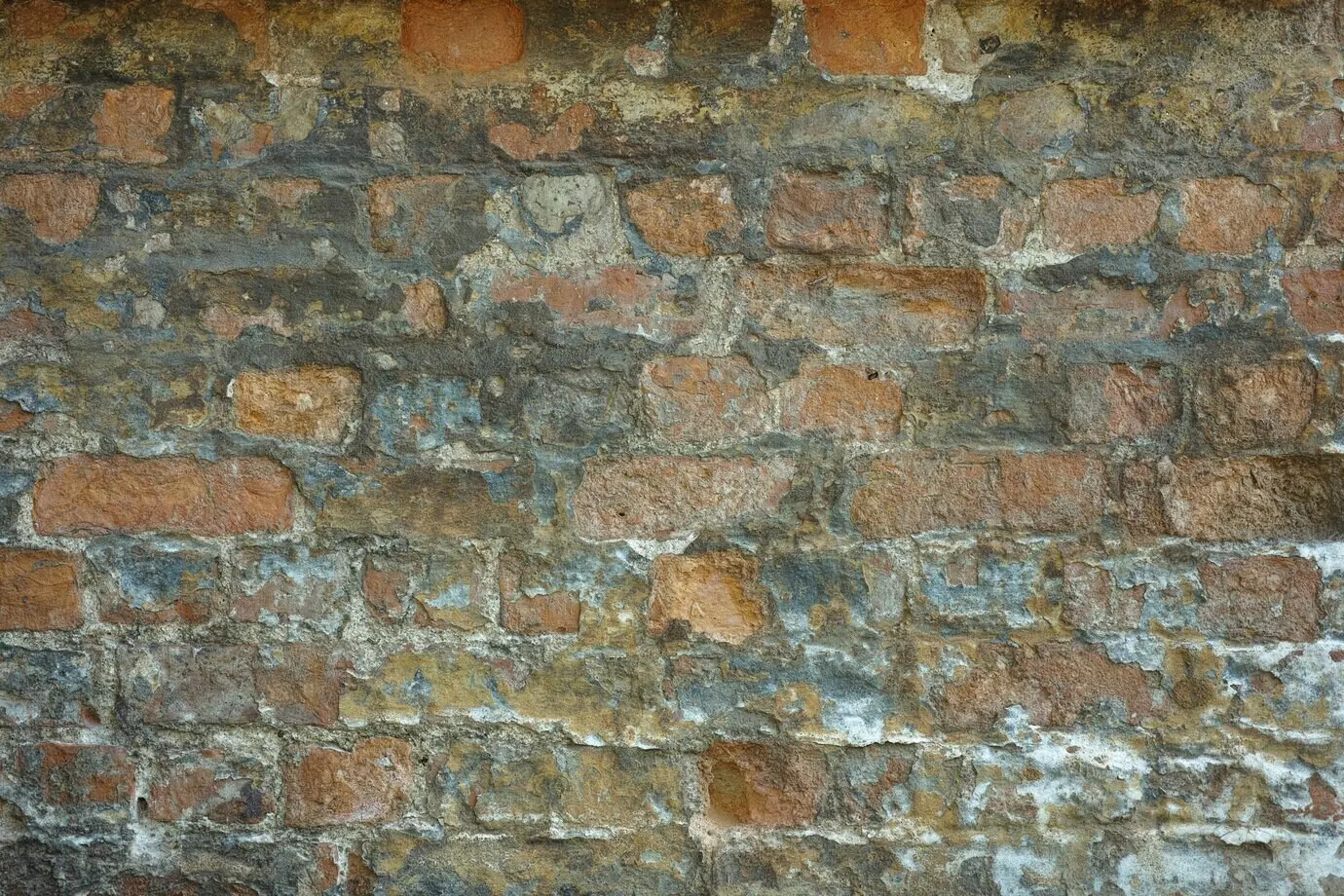
Community-Sourced Color Data
Shooting Color Truthfully
Set your camera to manual white balance using a neutral card, then capture a bracketed trio to document how the facade reads in varied exposure. Avoid narrow angles that exaggerate saturation. Step back, include context—tree canopies, neighboring materials, sky tone—so future viewers understand environmental influence. Note the hour and weather in your caption. When editing, resist the temptation to oversaturate. Truthful color honors the walk’s purpose: letting hues teach. Accuracy now makes your images dependable references when you revisit routes or guide new friends.
Sketch Notes in Five Hues
Carry a tiny palette—indigo, sienna, ochre, sap green, neutral gray—and challenge yourself to capture facades with minimal mixing. This limitation clarifies relationships and forces careful looking at edges, cast shadows, and transitions. Annotate with arrows: where brick meets stone, where paint peels to reveal older strata, where copper gutters stain plaster. The page becomes both diary and diagram, easily shared after the walk. Even imperfect sketches store more memory than flawless photos, because every mark records time spent paying respectful attention.
Publishing and Inviting Others
After your walk, assemble a concise gallery pairing images, sketches, and route notes. Offer downloadable legends, a short explanation of your palette choices, and acknowledgments to locals who offered insight. Encourage comments with specific prompts: Where did the hue feel most convincing? Which junction confused you? What shade would you alter? Provide an easy sign-up for seasonal updates and occasional group rambles. By inviting conversation rather than boasting perfection, you cultivate a generous community eager to refine, expand, and celebrate color-led exploration.
Join the Spectrum: Community, Care, and Next Steps

All Rights Reserved.