
City Colors, Captured
Reading the City’s Spectrum
Light, Weather, and Hue Shifts
Materials That Paint Streets
Cultural Layers in Color
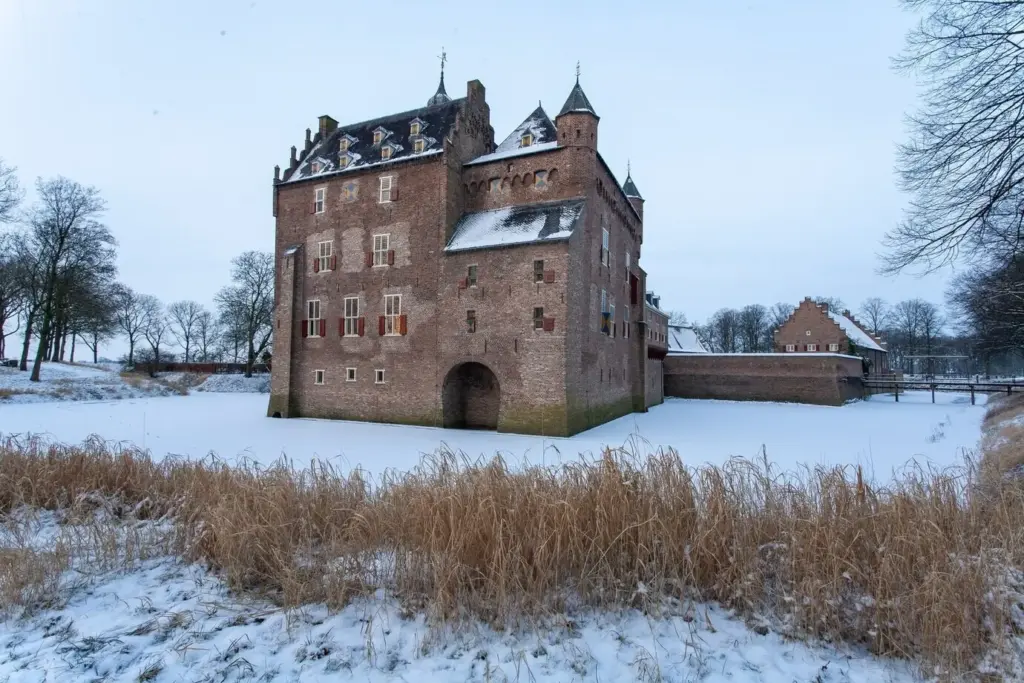
Building Palettes On Location
Exposure, White Balance, and Color Integrity
Compositions That Let Color Lead
Negative Space That Lets Pigments Breathe
Space around bold tones defines their impact. A crimson door gains dignity when surrounded by quiet wall, sky, or shadow. Resist filling every quadrant. Leave room where the eye can rest, so the dominant color carries a clear message. Minimalism keeps urban complexity from overwhelming your palette. When a fleeting figure enters, their clothing becomes punctuation rather than clutter, transforming an ordinary doorway into a striking visual sentence that reads cleanly at a glance.
Rhythm, Repetition, and Pattern Blocks
Repetitions—window grids, parked bikes, tiled metros—set up rhythms that guide the eye through color beats. Identify the sequence, then break it with a contrasting accent, like a lone yellow helmet disrupting a field of navy jackets. This balance between predictability and surprise generates momentum within still frames. Pattern awareness also encourages series building, letting you connect images across streets and days through recurring motifs that echo, answer, and evolve without becoming predictable or forced.
Foreground Filters: Reflections, Fabrics, and Smoke
Use rain-slick windows, translucent curtains, or café steam to tint scenes without digital tricks. A scarf brushing the lens edge can add a whisper of dye, guiding attention and mood. These elements not only adjust palette, they add depth and place—the sensation of standing there. Practice layering intentionally, moving to align colors between planes. The best filters are physical, fleeting, and personal, producing hues that feel earned rather than manufactured in post-production panels.
Seasonal and Temporal Color Stories
Editing Workflows for Honest, Lush Palettes
Field Projects and Community Challenges
All Rights Reserved.